How Technology Actually Brings Teachers and Parents Closer to Students in Rajkot Schools
 August 22, 2025

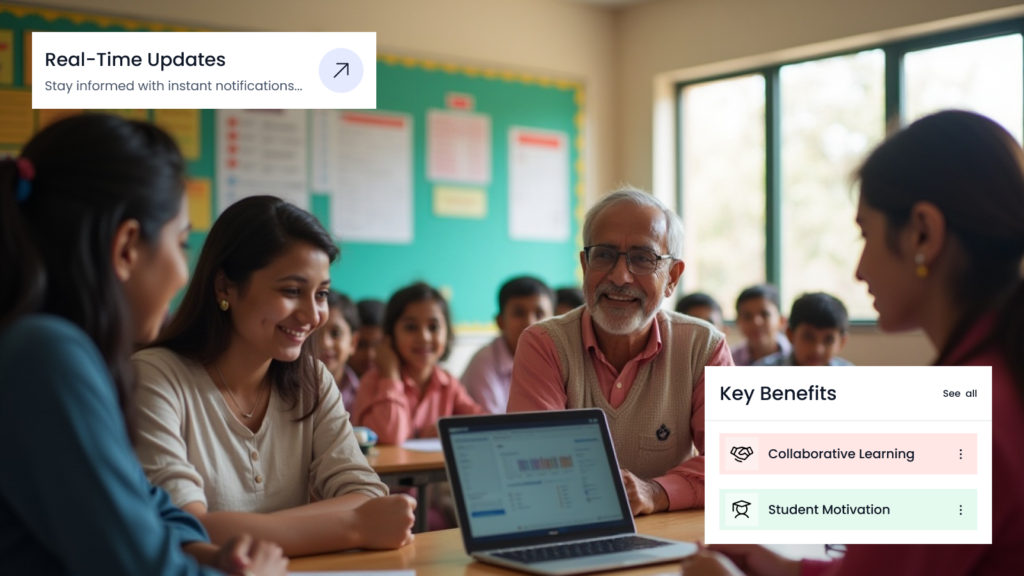
Table of Contents
Discover how school technology creates stronger personal connections between teachers, parents, and students in Gujarat. Real examples from Rajkot schools using ERP systems.
Yesterday, I was talking to a parent outside a school in Rajkot. She was picking up her daughter and mentioned something that stuck with me:
“You know, since our school started using that new system, I feel like I know my daughter’s teachers better than ever before. I get little messages about her day, not just when she’s in trouble.”
This got me thinking about a conversation that happens in every school considering technology: “Won’t computers and apps make our school feel cold and impersonal?”
It’s a fair worry. We’ve all dealt with those frustrating automated phone systems that make you want to throw your phone out the window. So when school owners in Gujarat think about technology, many imagine replacing warm human connections with cold digital interfaces.
But here’s what’s actually happening in schools across Rajkot that have embraced the right kind of technology: they’re becoming more personal, not less.
Let me show you exactly how this works, and why the fear of “losing the human touch” is not just unfounded – it’s completely backwards.
The Human Connection Reality Check
Before we talk about technology making schools more personal, let’s be honest about how “personal” traditional school communication really is.
The Weekly Parent-Teacher Meeting Rush
Picture the typical parent-teacher meeting at a school in Rajkot. Teachers have 15 minutes per family. Parents wait in long lines. Teachers try to summarize three months of their child’s progress into a few rushed sentences.
“Arjun is doing well in math, needs to focus more in English, attendance is good.”
That’s it. Next parent, please.
Is this really personal? Or is it just face-to-face but still superficial?
The Paper Notice Communication Gap
Think about how most Gujarat schools currently communicate with parents:
- Paper notices that get lost in school bags
- WhatsApp groups where important messages get buried under 200 daily messages
- Phone calls for everything, even basic information
- Waiting until PTM to discuss concerns
Parents end up feeling disconnected from their child’s daily school experience. Teachers spend more time on administrative tasks and less time actually connecting with students.
The Teacher’s Perspective Nobody Talks About
Here’s something most parents don’t realize: teachers want closer relationships with families too. But when you’re managing 40+ students per class, spending hours on attendance registers, and dealing with constant interruptions for basic information, building meaningful connections becomes nearly impossible.
One teacher from a school in Maninagar told me: “I used to spend my evenings filling out reports instead of planning engaging lessons. I knew my students’ marks better than I knew their interests.”
The current system isn’t preserving personal connections – it’s preventing them.
How the Right Technology Actually Creates Deeper Connections
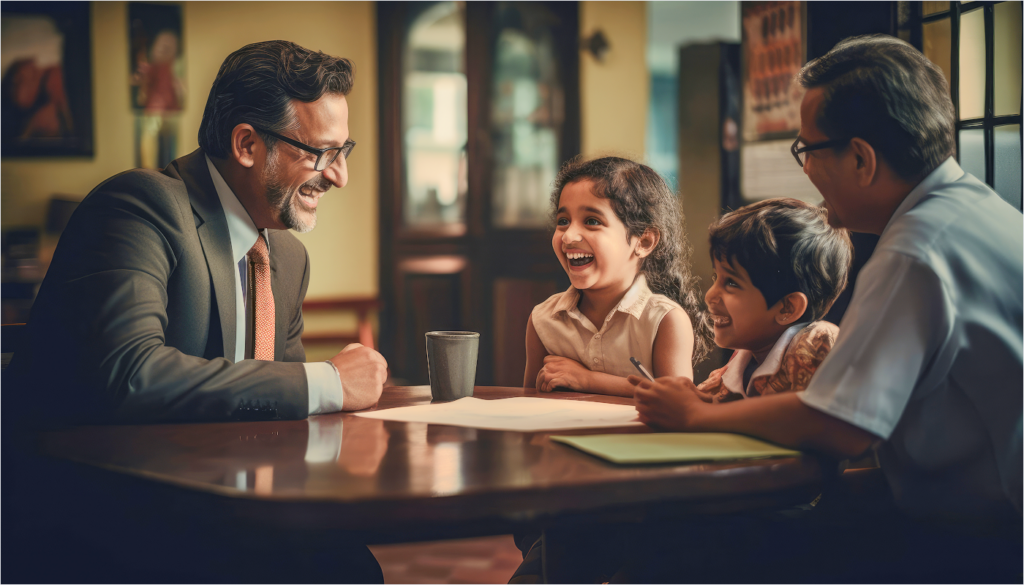
Now let’s look at what happens when schools implement thoughtful technology solutions that support human relationships rather than replace them.
Real-Time Learning Stories, Not Just Report Cards
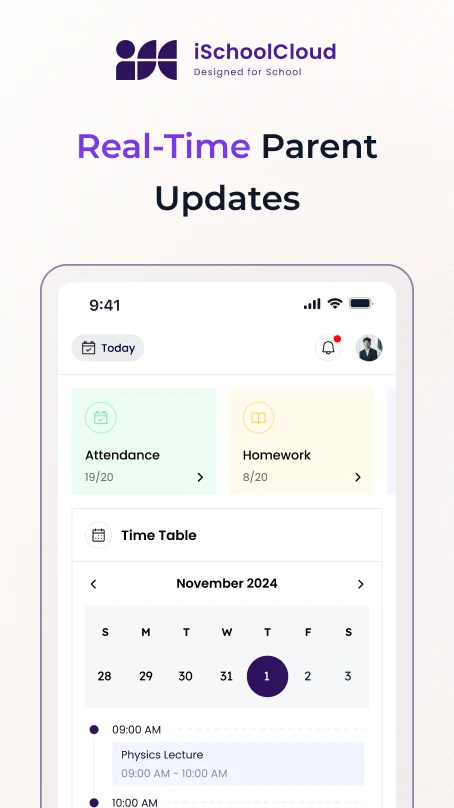
Instead of waiting for quarterly meetings, imagine parents receiving gentle updates throughout the week:
“Today Priya asked a thoughtful question about the water cycle that sparked a great class discussion. She’s really developing her scientific thinking!”
This isn’t a formal report card grade. It’s a teacher sharing a moment that shows they truly see and appreciate the child as an individual.
Schools with good ERP systems make this possible because teachers aren’t buried in paperwork. They have time to notice these moments and share them easily.
Parents as Partners, Not Just Information Recipients
When parents can see their child’s daily progress, they become better conversation partners at home:
Old way: “How was school today?” “Fine.”
New way: “I saw you worked on fractions today. Was that challenging?” This opens up real conversations about learning.
Parents start feeling like true partners in education rather than outsiders trying to guess what’s happening in their child’s school day.
Teachers Who Actually Know Their Students Better
When administrative work becomes automatic, teachers get their time back for what they really care about: teaching and connecting with students.
A principal from a school in Satellite shared this insight: “Our teachers now have detailed insights about each student’s learning patterns. They can spot when a child is struggling before it becomes a big problem. The technology helps them be more human, not less.”
Real Examples from Gujarat Schools
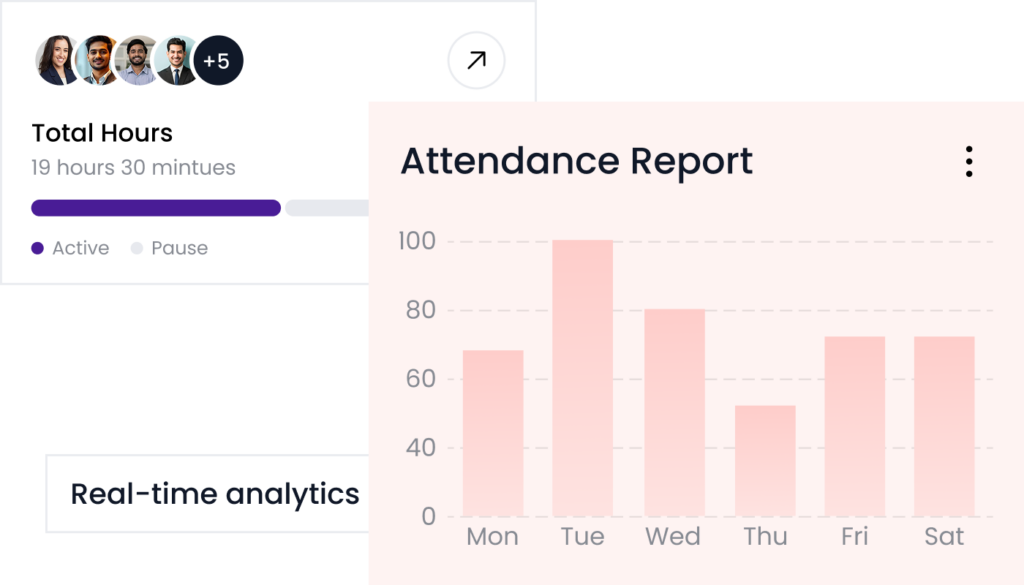
Let me share some specific examples of how technology is making schools more personal for families across Gujarat.
The Morning Attendance That Builds Trust
Traditional method: Parents drop children and hope they arrived safely. If they’re worried, they call the school and interrupt the office staff.
Personal technology approach: Parents receive a gentle message: “Kavya arrived safely at 8:15 AM and went straight to her classroom with a big smile!”
This small touch eliminates worry and builds confidence. Parents feel connected to their child’s day from the very beginning.
The Homework Help That Involves Parents
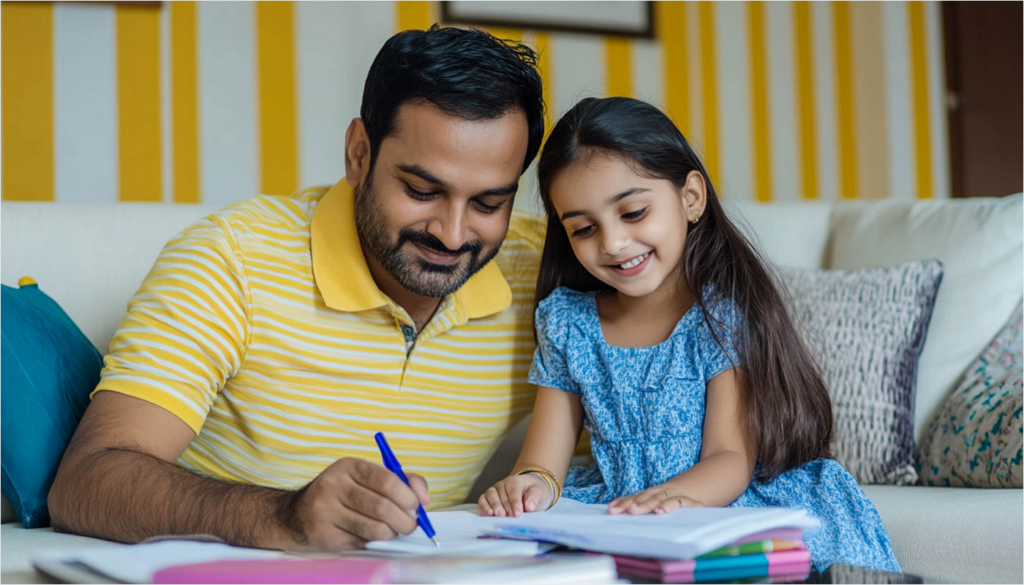
Instead of children struggling alone with homework, parents now get context:
“Today’s math homework focuses on multiplication tables 6-8. If Raj finds it challenging, remind him about the ‘skip counting’ strategy we practiced in class. Feel free to reach out if you need clarification!”
This turns homework from a battle into a collaboration. Parents feel equipped to help rather than frustrated by their lack of context.
The Celebration of Small Victories
Schools with good systems can easily share positive moments:
- “Meera helped a classmate with reading today – her kindness really stood out!”
- “Arjun completed all his work without reminders this week – his focus is improving!”
- “Shreya asked excellent questions during science class – her curiosity is wonderful!”
These aren’t formal achievements or grades. They’re human moments that show teachers truly see each child as an individual.
The Quick Problem Resolution
Old way: Child has a difficult day. Parent finds out days later, if at all. Problem escalates.
Personal technology way: Teacher sends a quick note: “Aditi seemed upset during lunch today. We talked, and she’s feeling better, but you might want to check in with her about the friend situation she mentioned.”
Parents can address issues while they’re still small, leading to better outcomes for children.
What Parents in Rajkot Are Actually Saying
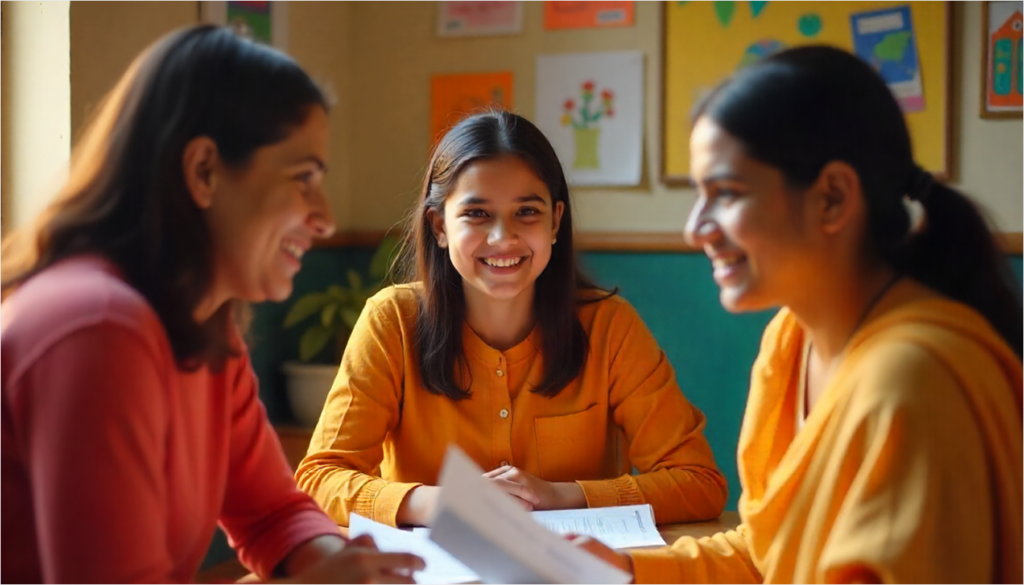
The best way to understand whether technology makes schools more or less personal is to listen to parents who’ve experienced both approaches.
From Anxiety to Confidence
“Before, I used to worry all day about whether my son was doing okay. Now I get little updates that let me know he’s settled and learning. I can focus on my work instead of constantly wondering.” – Parent from a school in Prahlad Nagar
From Distant to Connected
“I feel like I actually know my daughter’s teacher now. She shares little stories about Riya’s progress, and I can see that she really pays attention to each child’s personality.” – Parent from Bopal area
From Reactive to Proactive
“Instead of waiting for problems to become big issues, we can work together to help our child succeed. The communication helps us be better parents.” – Parent from Ghatlodia
From Outsider to Partner
“I used to feel like school was this separate world I couldn’t access. Now I feel like part of my child’s learning journey.” – Parent from Vastrapur
Why Teachers Love Technology That Supports Relationships
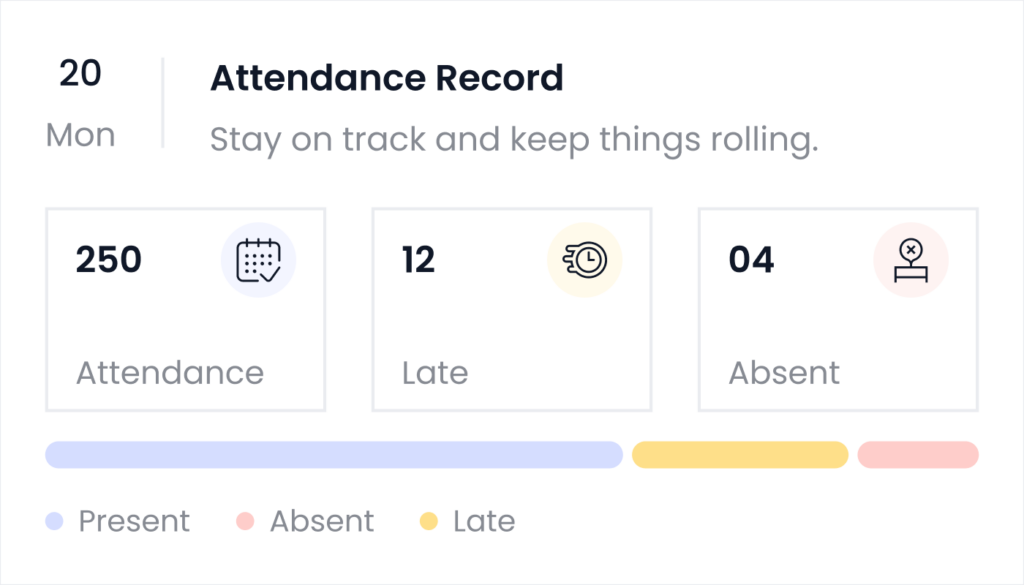
The teachers are often the best advocates for technology that enhances personal connections.
More Time for What Matters
When attendance, gradebooks, and basic communication become automatic, teachers get their evenings back. Instead of filling out forms, they can plan creative lessons or reflect on individual student needs.
Better Insights About Each Student
Digital systems help teachers track patterns they might miss otherwise:
- Which students consistently struggle on Mondays
- Who performs better with visual vs. auditory instruction
- When certain students need extra encouragement
- How different children respond to various teaching approaches
Easier Collaboration with Parents
Teachers can share insights while they’re fresh, not weeks later during scheduled meetings. This leads to better outcomes for students and stronger teacher-parent partnerships.
Focus on Education, Not Administration
As one teacher put it: “Technology handles the paperwork so I can focus on inspiring young minds. I became a teacher to make a difference in children’s lives, not to be a data entry clerk.”
Addressing the “But What About…” Concerns
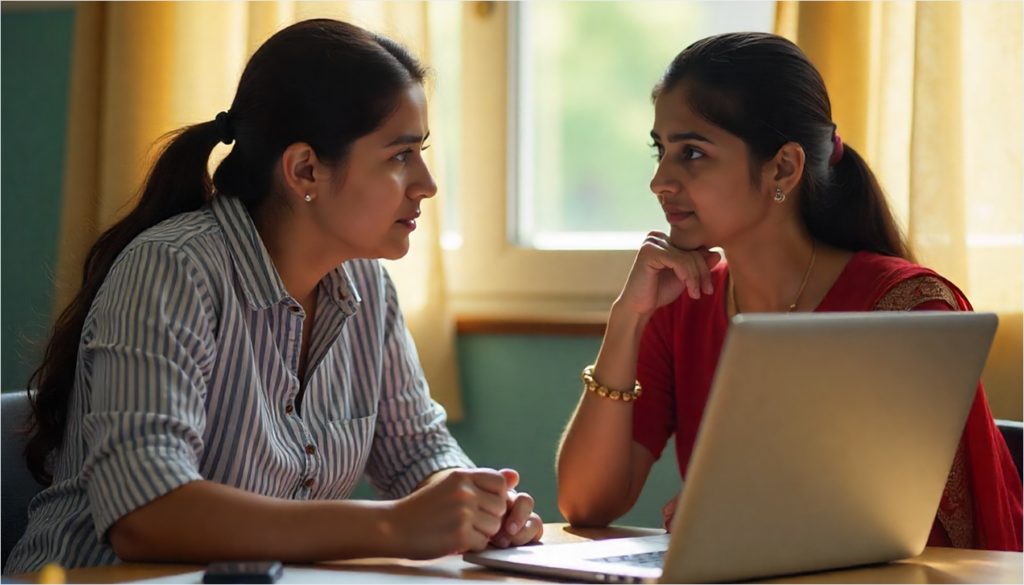
Let’s tackle the most common worries about technology in schools head-on.
“But What About Face-to-Face Communication?”
Technology doesn’t replace face-to-face meetings – it makes them more meaningful. When parents and teachers connect in person, they can focus on deeper discussions about the child’s growth and goals rather than basic status updates.
PTMs become strategic planning sessions instead of information downloads.
“Won’t Parents Become Too Dependent on Technology?”
The goal isn’t to make parents dependent on technology – it’s to make them independent and empowered. When parents have access to their child’s information, they call the school less often and make more informed decisions.
“What If Technology Breaks Down?”
Good school systems have backups and contingency plans. But here’s the interesting thing: schools with reliable technology systems experience fewer communication breakdowns than schools relying solely on manual processes.
“Are We Raising Children to Expect Instant Everything?”
We’re raising children in a world where instant communication is normal. Teaching them to use technology responsibly for education and family connection is preparing them for reality, not spoiling them.
The Right Technology vs. The Wrong Technology

Not all school technology makes relationships more personal. Here’s how to tell the difference.
Technology That Enhances Relationships
- Enables quick, meaningful communication between teachers and parents
- Provides context for student progress and challenges
- Saves time on administrative tasks so humans can focus on relationships
- Makes information accessible without overwhelming people
- Supports individual learning rather than one-size-fits-all approaches
Technology That Hurts Relationships
- Replaces human interaction instead of supporting it
- Creates more administrative burden for teachers
- Feels impersonal and automated with no room for individual touch
- Overwhelms families with too much information
- Makes simple tasks complicated instead of easier
Questions to Ask About Any School Technology
Before implementing any system, ask:
- Will this give teachers more time to focus on students?
- Will parents feel more connected to their child’s learning?
- Does this make communication easier or more complicated?
- Can we still maintain the personal touch that makes our school special?
- Will this help us know each student better as an individual?
How to Keep Technology Personal in Your Rajkot School
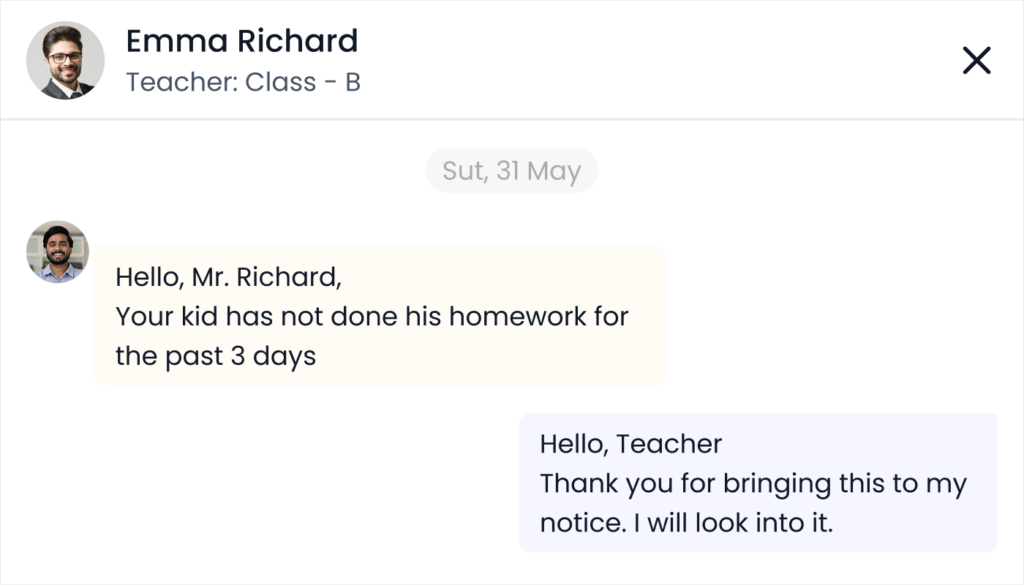
If you’re considering technology that enhances relationships, here are practical tips for implementation.
Start with Communication, Not Automation
Begin with features that improve human connection – parent communication, teacher collaboration, student progress sharing. Save full automation for later phases.
Train Teachers to Use Technology for Relationship Building
Show teachers how to share positive moments, not just problems. Encourage them to add personal touches to digital communications.
Set Communication Guidelines That Feel Human
- Share successes regularly, not just concerns
- Use conversational language, not formal reports
- Include specific details that show individual attention
- Respond to parent questions promptly and personally
Involve Parents in the Technology Adoption Process
Ask parents what kind of communication would help them feel more connected to their child’s education. Design your technology use around their actual needs, not just administrative convenience.
Measure Relationship Quality, Not Just Efficiency
Track metrics like:
- Parent satisfaction with communication
- Teacher satisfaction with student relationships
- Student feelings about school connection
- Quality of parent-teacher meeting discussions
The Future of Personal Education in Gujarat
Schools that embrace relationship-enhancing technology today are positioning themselves for long-term success.
What Parents Will Expect
The generation of parents entering Gujarat schools grew up with smartphones and social media. They expect:
- Real-time communication about their children
- Access to educational information when they need it
- Collaboration tools that help them support learning at home
- Personal attention that shows teachers know their child individually
What Students Will Need
Today’s students will enter a world where technology and human relationships are seamlessly integrated. Schools that model healthy technology use for relationship building prepare students for future success.
The Competitive Advantage
Schools known for strong personal relationships enhanced by smart technology will attract families who value both innovation and human connection.
Your School’s Relationship Revolution
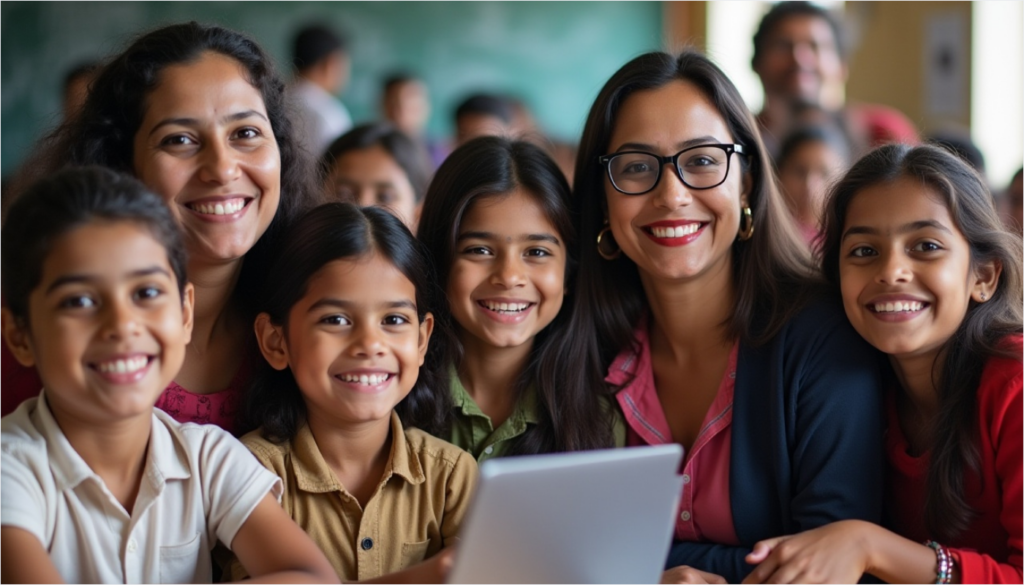
The fear that technology will make schools less personal is understandable but misguided. When implemented thoughtfully, technology doesn’t replace human connections – it amplifies them.
Schools across Rajkot and Gujarat are discovering that the right technology systems help them:
- Know each student better as an individual learner
- Communicate more meaningfully with families
- Build stronger partnerships between teachers and parents
- Focus on education instead of administration
- Create lasting relationships that support student success
The question isn’t whether technology will change education – it’s whether your school will use technology to become more personal or less personal.
The choice is yours. But remember: while you’re deciding, progressive schools in your community are already building deeper relationships with their families through smart technology choices.
Your students, parents, and teachers deserve both innovation and personal attention. The right technology makes both possible.
Ready to Make Your School More Personal Through Technology?
If you’re interested in learning how technology can enhance rather than replace the personal relationships that make your school special, let’s talk.
We specialize in helping Gujarat schools implement technology solutions that strengthen human connections while improving operational efficiency.
Every school is unique, and every solution should be too. Let’s explore how technology can help your school become the most personal and effective learning environment possible for your students and families.
Contact us to discuss how technology can make your Rajkot school more personal, not less.


 4.9 5000 Total Reviews
Join Our Inner Circle for Special Perks


 Trusted by 50000 educational pioneers